
Manufacturing Route
Decide whether the project belongs in compression moulding or silicone extrusion according to geometry, output form and production requirements.
REVIEW THE ROUTES →Use this resource centre to choose the right SILCAP manufacturing route, prepare the information needed for technical review and understand how documentation scope is confirmed for a project.
Manufacturing route
Compression moulding or extrusion
Project inputs
Drawing, application, material and quantity
Documentation scope
Evidence, testing and applicability
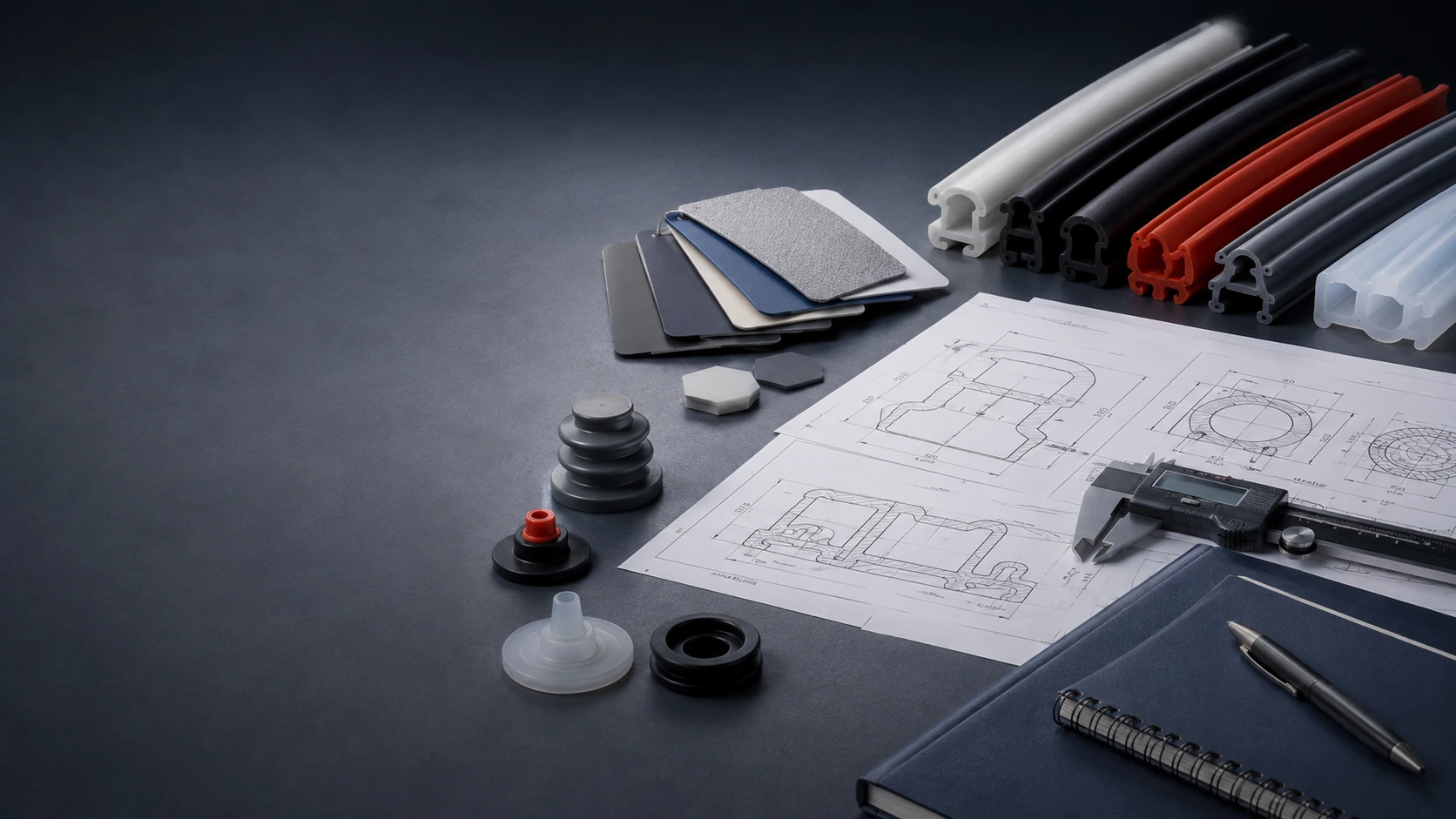
Start with the question that is holding the project back. Each route below leads into the deeper SILCAP page or review step that owns that decision.
Decide whether the project belongs in compression moulding or silicone extrusion according to geometry, output form and production requirements.
REVIEW THE ROUTES →Prepare the drawing or sample, target quantity, application, material expectations and documentation inputs needed for technical review.
PREPARE PROJECT INPUTS →Separate available raw-material evidence from finished-product applicability and any project-specific testing or qualification requirement.
REVIEW DOCUMENTATION LOGIC →Use the guides to compare manufacturing routes, prepare a complete RFQ and understand how available material documentation relates to project-specific product testing.
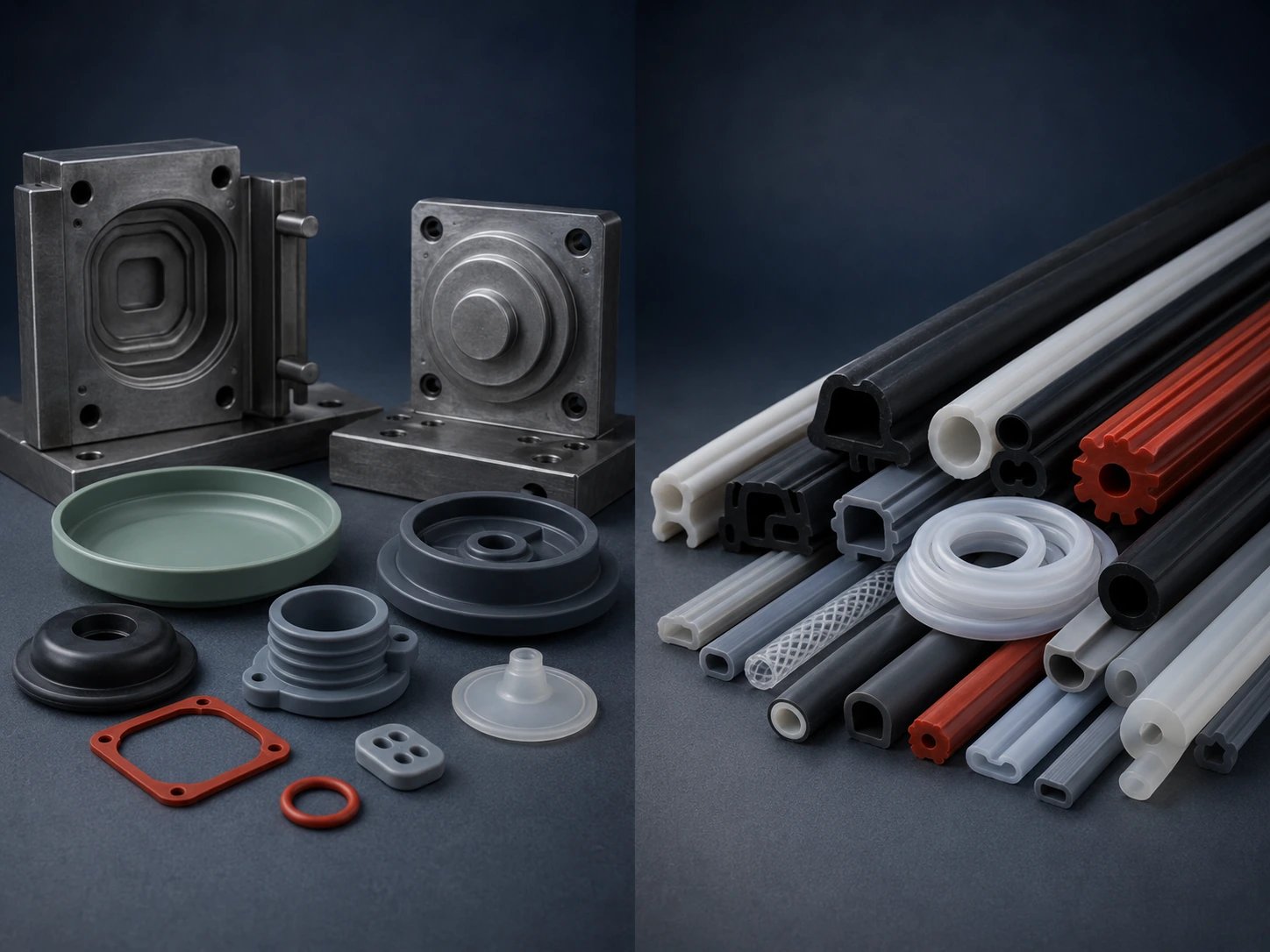
Compare geometry, output form and production requirements to understand which of SILCAP's two in-house manufacturing routes fits the project.
READ MANUFACTURING GUIDE →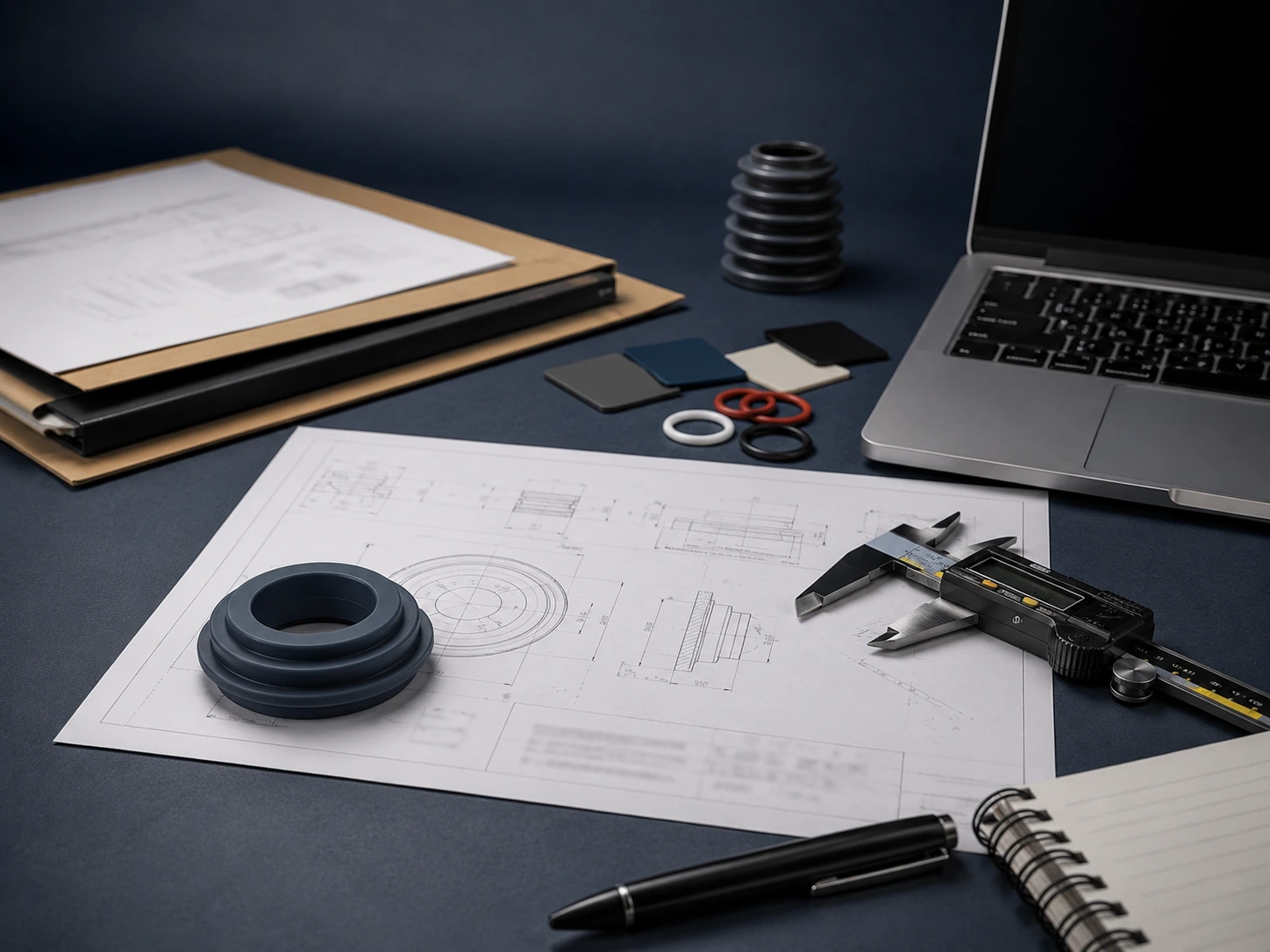
Review the drawing, sample, quantity, application, material and documentation inputs that support a faster technical review.
READ RFQ GUIDE →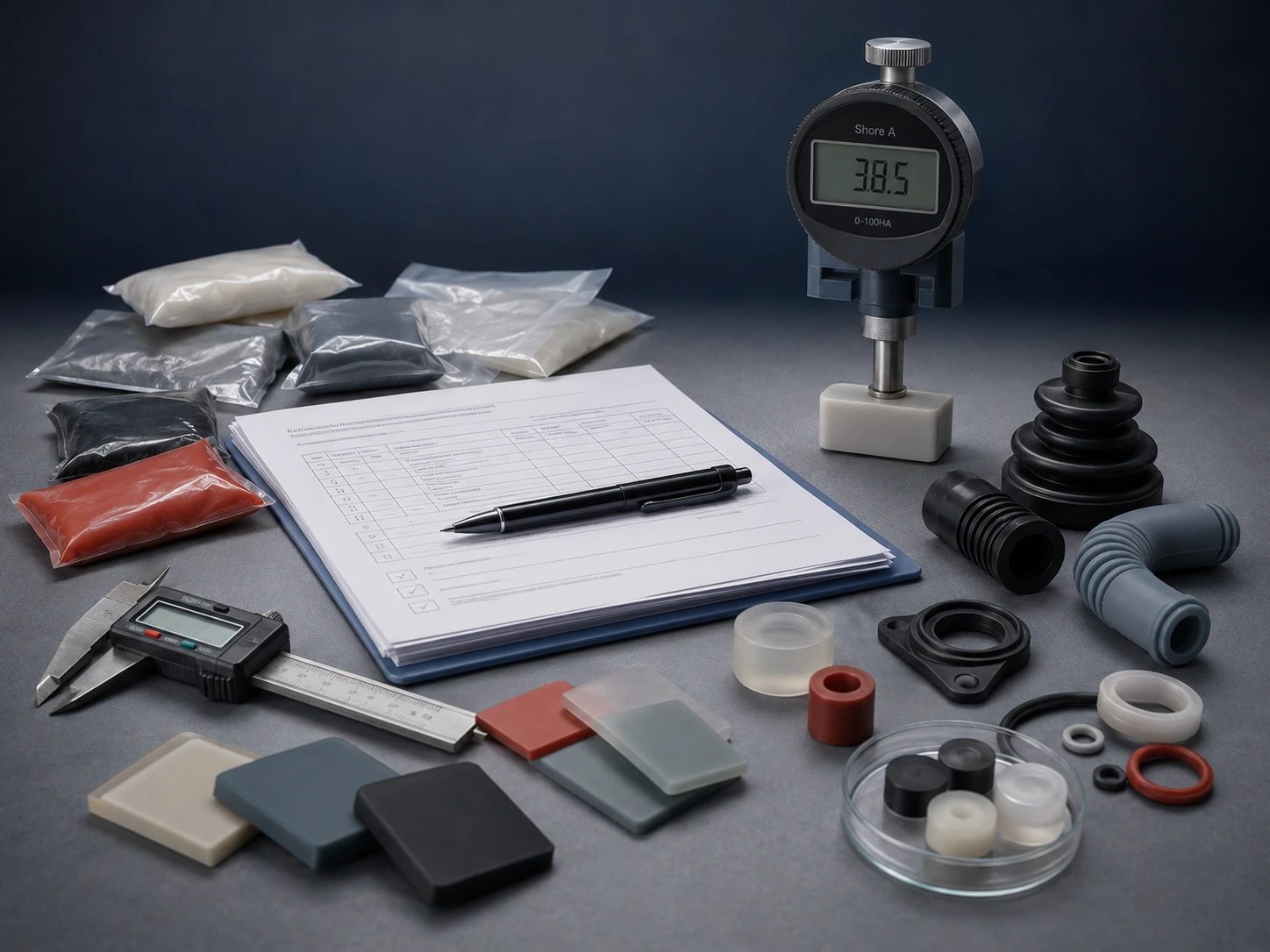
Understand the distinction between available raw-material evidence, finished-product applicability and additional project-specific testing.
READ DOCUMENTATION GUIDE →The first manufacturing decision is the product form itself: a discrete moulded part or a continuous silicone profile. SILCAP confirms the suitable route after drawing or sample review.
Used for individual HTV silicone parts where geometry, mould structure, material, hardness and dimensional requirements are reviewed together.
Used for continuous HTV silicone profiles and sections where cross-sectional geometry, material, hardness and production setup are reviewed.
Need a broader manufacturing comparison? Review SILCAP Manufacturing Capabilities →
Complete technical inputs help SILCAP review manufacturability, material requirements, tooling scope, sampling needs and quotation basis more accurately.
SEND PROJECT DETAILS →Provide a technical drawing, dimensioned sketch, clear product images or a physical reference sample.
Share the initial order quantity, expected repeat demand and annual forecast where available.
Explain the product function, assembly environment, critical dimensions and expected operating exposure.
State known silicone requirements, hardness, colour references and any known curing or post-curing expectations.
Identify required material documents, testing needs, labelling, barcode, packaging or private-label requirements.
Where new tooling is required, tooling and sampling are coordinated through external tooling partners before approval.
Documentation is reviewed against the actual product, material, application and target market. Available raw-material reports are not treated as blanket certification of every finished SILCAP product.
Document basis for selected silicone material systems.
Reviewed against intended use, product design, colour, process and target market.
Project-specific testing is clarified when required by the application or regulatory scope.
Product type, material, colour, application and target market are reviewed.
Relevant current raw-material reports and declarations are identified.
Any missing or product-specific testing requirement is clarified where applicable.
The agreed documentation, testing and inspection scope is recorded with the project requirements.
Send a drawing, profile section, sample or clear product reference together with target quantity, application details and known material or documentation requirements.
The route is reviewed according to geometry, output form, material, application and project requirements.
Yes. A physical sample, dimensioned sketch or clear product reference can support initial review, although additional technical information may still be required.
Custom moulded parts and extrusion profiles may require project-specific tooling. Tooling scope is reviewed against geometry and production requirements and coordinated through external tooling partners.
Send the technical information already available. SILCAP will review manufacturing fit, information gaps and the next practical step.